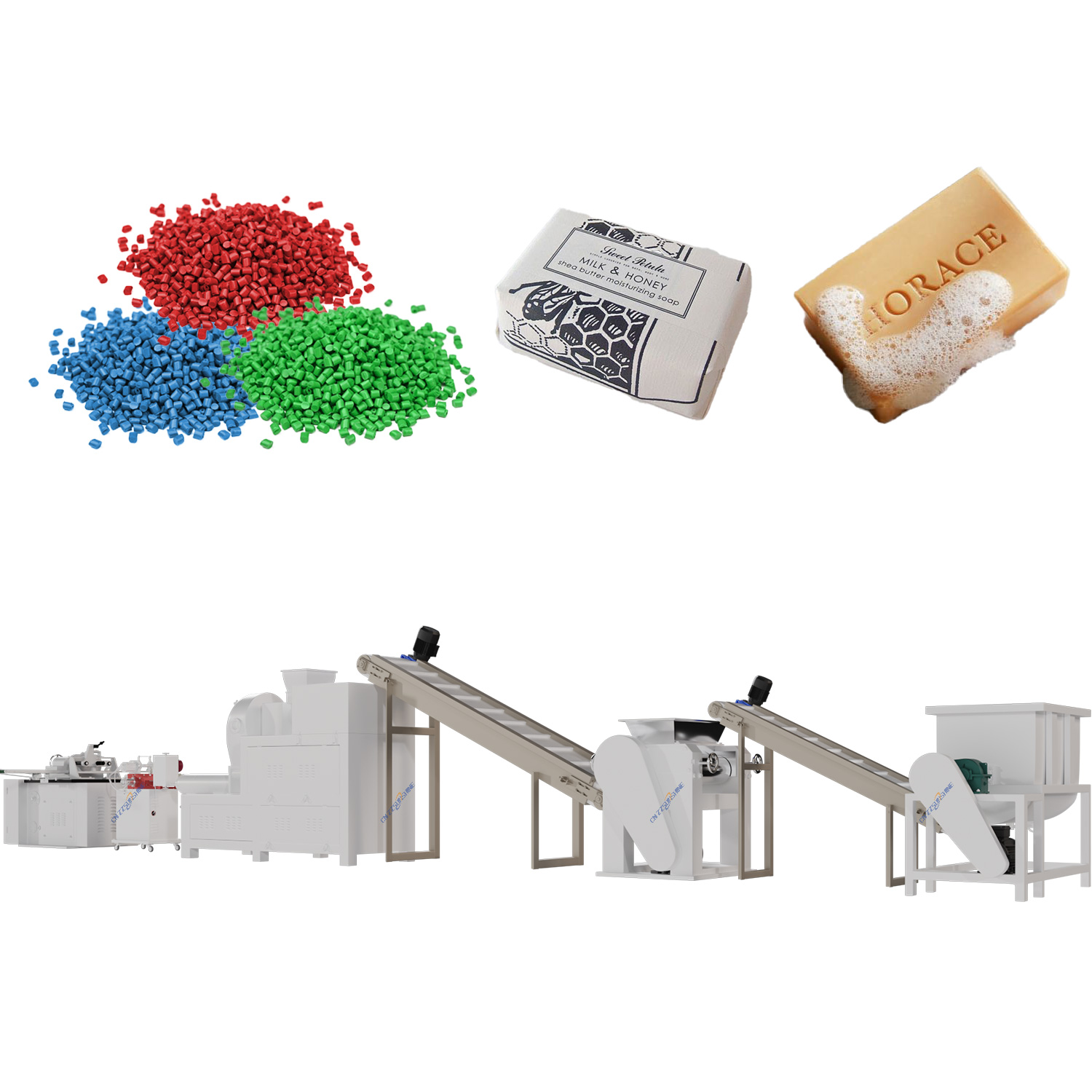
Soap manufacturing is attractive because the product is simple, the raw materials are widely available and the demand is permanent. It is difficult because the margin per tonne is thin and most of the profit goes to whoever controls distribution. This guide is about the sequence that works.
Start with the market, not the machine
Before you price any equipment, answer three questions honestly. Who will buy your soap — households directly, small shops, wholesalers, or a contract brand? What price per bar can you actually achieve in that channel? And what does your competitor’s bar cost at the same point of sale? If you cannot answer those three, you are not ready to buy machinery, because the machine specification follows from the answer.
Choose the product before the capacity
The three practical starting points are: laundry bar soap (highest volume, lowest margin, least branding needed), toilet and bath soap (retail, needs appearance and branding), and hotel or guest soap (contract work, small bars, changeover intensive). Each has a different machine priority. Laundry soap rewards throughput and durability; toilet soap rewards milling, vacuum extrusion and stamping; hotel soap rewards changeover speed and size flexibility.
The minimum machine set that actually works
For a small start: a melting tank, a mixer, a three roller mill, a plodder or extruder, and a cutter. That sequence can produce saleable bar soap with manual handling. Add a stamper when you are building a brand and a wrapping machine when you enter retail. Do not skip the mill — a coarse, streaky bar will not hold shelf space next to a competitor’s.
Workshop requirements people forget
You need a floor that can be washed and drained, a water supply, three-phase power, ventilation, and dry storage for soap base, because soap base absorbs moisture. Confirm the door width and ceiling height for bringing machines in, and the floor loading for the heaviest machine. A leaking store roof costs more product over a year than the machine set once cost.
Staffing and skills
A small semi automatic line typically needs three to six operators, plus someone responsible for formulation and quality. The most important hire is not the cheapest labourer — it is one person who owns the batch record and the quality check, because consistency is what keeps customers. Budget for training and write down your process; a process that lives only in one operator’s head leaves with them.
Cost structure and payback
Build your budget in four blocks: machinery, freight and duty, installation and utilities, and working capital including one month of raw material plus the payment gap with your customers. The working capital block is the one that most often sinks otherwise sound projects. On payback, work it out from your actual selling price, your actual raw material cost and your actual duty rate — and then test what happens if sales are 30% below plan, because in the first year they often are.
Distribution decides whether you survive
Soap is heavy and cheap, so transport cost becomes a large part of the delivered price. Your realistic market is usually a radius around your plant, not the whole country. Plan the route to market before you plan capacity, and if you are selling to wholesalers, understand that they will expect credit terms — which is exactly why the working capital block in the budget matters so much.
What to do this month
Write down your target selling price and your competitor’s price at the same point of sale. Get the landed price of soap base and packaging. Then contact us with the country, the product and the target output and we will give you a machine list with prices, packing data for a freight quote, and the utilities requirement. With those four inputs you can build a real business case instead of a hopeful one.
Get a Quotation for This Machine
Tell us your target capacity, the soap type you produce and your country. Our engineers reply within 12 working hours with a configuration proposal and FOB price.
Send Your Requirement
Download the full specification catalogue
Frequently Asked Questions
How long does it take to get into production?
From order to first commercial production, plan on roughly two months for a small line: 15–25 days manufacturing, three to five weeks sea freight depending on destination, then about a week for installation, commissioning and training. Add time if you are building or renovating the workshop.
Do I need a laboratory?
Not a full laboratory, but you need basic quality control: a scale accurate to 0.1 g, a moisture determination method, and the discipline to record every batch. Most quality problems in small soap plants are found by weighing and by recording, not by instruments.
Can I produce more than one soap type on one line?
Yes, but run them in campaigns rather than switching constantly. Changeover costs time and risks colour and fragrance carry-over, which matters most if you make both a white neutral bar and a dark fragranced one.