


Unlocking Efficiency: Understanding the Price Factors of a Small Automatic Ball Bar Toilet Soap Making Machine Line
For entrepreneurs and small to medium-sized manufacturers entering the soap market, investing in the right production equipment is crucial. A small automatic ball bar toilet soap making line offers an attractive balance between affordability and efficiency, enabling the production of high-quality bath soaps without the massive footprint or investment required for large-scale industrial setups. Naturally, understanding the price determinants of such a line is key to making an informed decision.
The core components driving the cost of an automatic soap production line tailored for ball bar toilet soaps typically include:
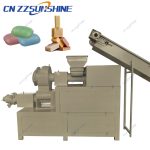
1. The Processing Heart: This starts with a reliable soap mixer or mixing machine for blending raw materials. Following this, a soap plodder machine, often a compact vacuum plodder, is essential. It refines the soap mix, removes air, and extrudes a continuous, dense soap noodle, critical for achieving the desired bar texture and consistency.
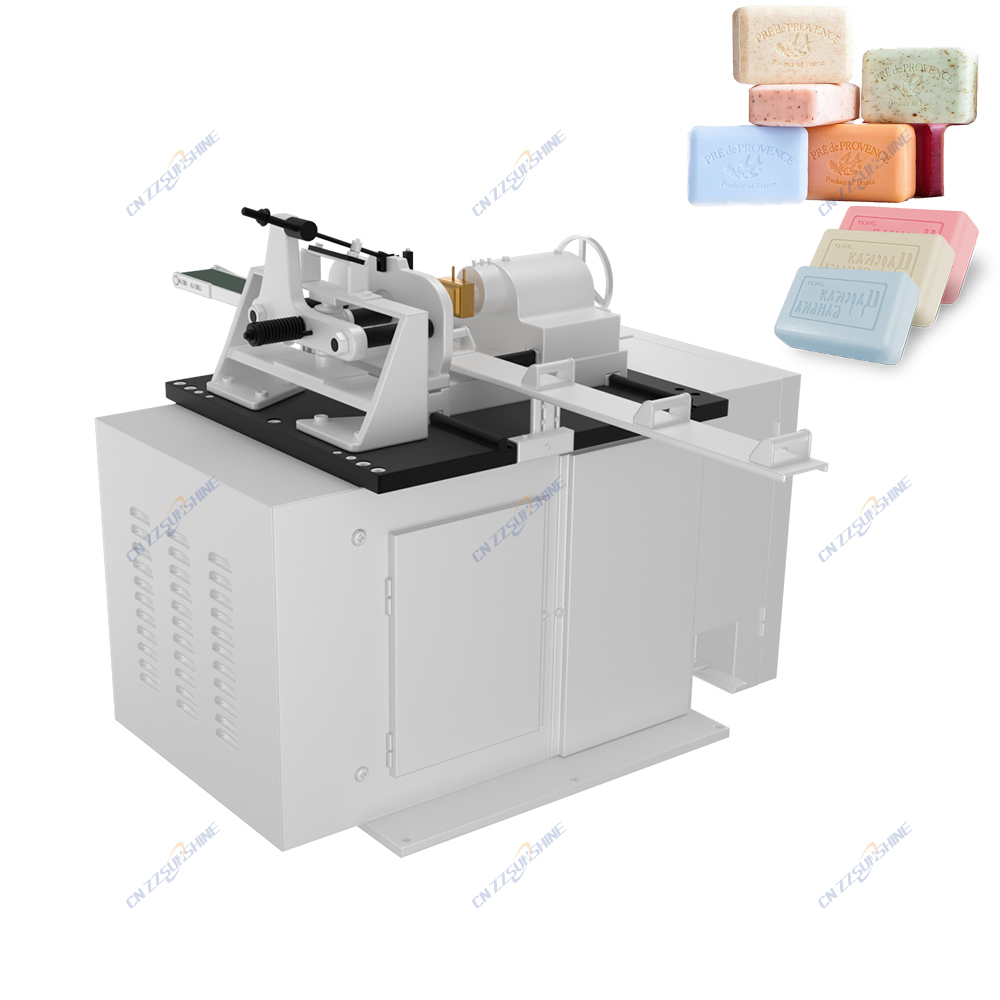
2. Forming and Finishing: The extruded soap noodle then moves to forming equipment. For ball bar soaps, this often involves specialized forming units. Cutting is handled by an automatic block cutter machine or a pneumatic cutting machine, ensuring precise, uniform bar sizes. A soap stamping machine then imprints logos or designs onto each bar. Finally, a film packaging machine wraps the finished bars for protection and presentation.
Several factors significantly influence the price of such a line:
Level of Automation: Fully automatic soap production lines command a higher price than semi-automatic setups where some steps (like feeding the stamping machine or packaging) might be manual. The choice depends on desired output volume and labor costs.
Component Specifications: The capacity (kg/hour), build quality (stainless steel grades), and technological sophistication of each machine (e.g., vacuum plodder vs. non-vacuum, advanced electronic cutting machine controls) impact cost. Higher-end components offer better reliability and efficiency.
Customization: The need for a custom soap cutting machine for unique bar shapes or specific integration requirements will increase the price compared to standard models.
Brand and Origin: Established brands or equipment manufactured in regions with higher labor costs may carry a premium. Conversely, sourcing from certain manufacturers might offer cost savings, though quality assurance is paramount.
Supplier Services: Comprehensive after-sales support, training, installation assistance, and warranty terms add value but can influence the overall package price.
While the initial investment in a small automatic ball bar toilet soap making machine line requires careful budgeting, the returns come through increased production capacity, consistent product quality, reduced manual labor, and enhanced scalability. By carefully evaluating the factors above – automation needs, component quality, customization, and supplier reliability – manufacturers can find the optimal line that fits both their production goals and budget, paving the way for a successful venture in the competitive soap market.