


Unlocking Efficiency in Small-Scale Soap Manufacturing: The Heart of the Operation – The Saponification Tank
For businesses venturing into soap production, whether targeting niche markets like beauty soap making lines or catering to larger demand with laundry bar soap production lines, the core chemical reaction happens within one critical piece of equipment: the Saponification Tank or Soap Saponification Reactor. This vessel is where oils or fats meet alkali under controlled conditions, transforming into crude soap – the foundational stage of all soap making. Investing in a well-designed, good quality soap saponification reactor is paramount for consistent results and efficient downstream processing.
Modern saponification tanks for making soap are engineered for precision and reliability. Constructed typically from corrosion-resistant materials like stainless steel (often 316L), they feature robust agitation systems – a soap mixer or mixing machine – ensuring thorough contact between reactants. Temperature control is crucial; efficient heating jackets or coils maintain optimal reaction temperatures. For smaller operations or those starting out, compact small soap production line setups often centre around a versatile reactor capable of handling various batch sizes, making them a hot sale item for entrepreneurs. Features like sight glasses, sampling ports, and efficient drainage systems are essential for process monitoring and smooth operation.
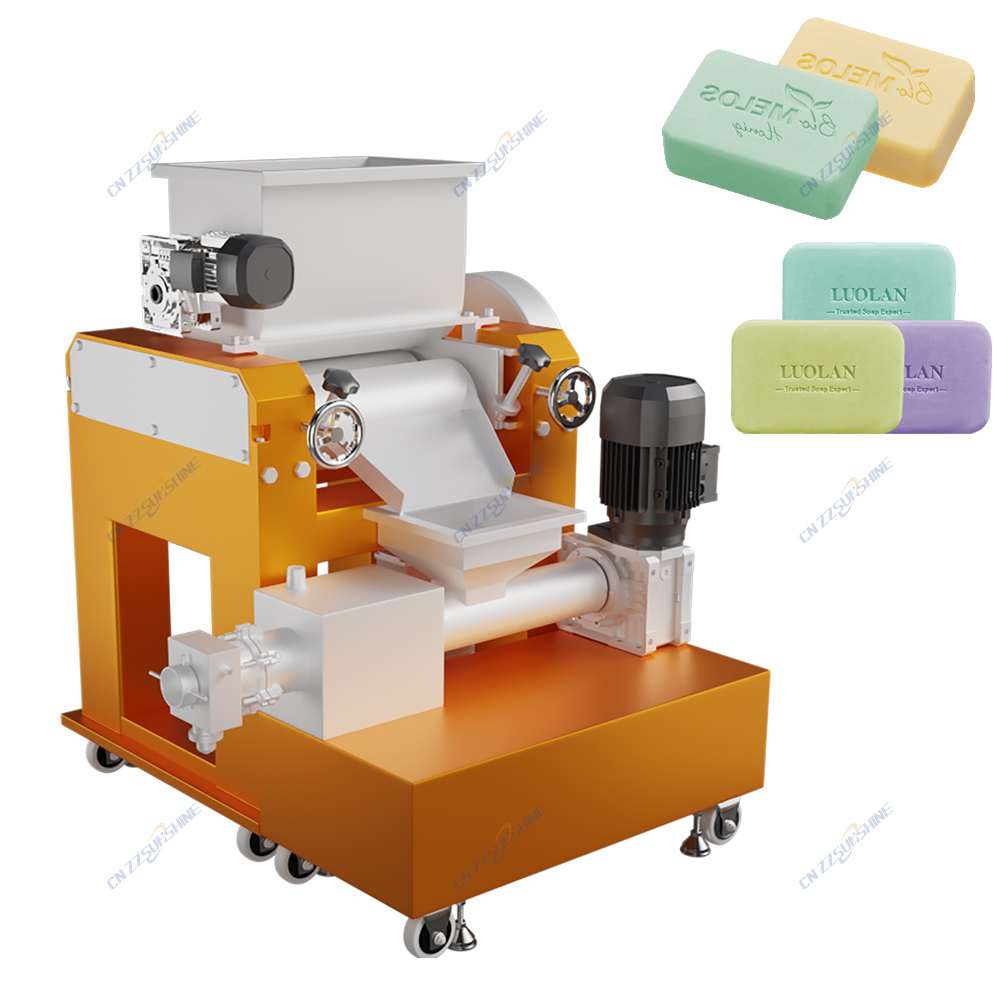
While the saponification reaction is fundamental, it’s just the first step. Integrating the reactor effectively into a broader system is key. A basic mini soap production line might progress from the reactor to a soap plodder machine for bar soap (a vacuum plodder for superior quality), then through a cutter – options range from manual cutting machines to pneumatic cutting machines or electric washing soap cutters. For higher output or more automation, an automatic soap production line incorporates sophisticated equipment like an automatic block cutter machine, potentially a custom soap cutting machine, OEM three roller grinding mills for milling additives, and finishing touches with soap stamping machines and film packaging machines. The reactor remains the starting point, but its output quality directly impacts the efficiency of the soap plodder, automatic printer, and other downstream units in a toilet soap finishing line or laundry soap making line.
Choosing the right soap saponification reactor involves considering batch size, desired automation level (from manual to semi-automatic printer integration), material compatibility, and integration potential with other soap making machines like washing liquid production equipment if diversifying. A high-quality tank ensures efficient saponification, forming the bedrock upon which the rest of your soap making production line – whether compact or fully automatic soap production line – successfully operates.