


Crafting Quality Soap: Palm Oil, Caustic Soda, and the Right Machinery
Soap making is a fascinating blend of chemistry and engineering. At its core, the process relies on the fundamental chemical reaction between fats or oils and an alkali. Among the most common and efficient raw material pairings for producing high-quality bar soap are palm oil and caustic soda (sodium hydroxide). Understanding this foundation, and coupling it with the appropriate soap making machine, is key to successful production, whether for laundry bar soap production lines or sophisticated toilet soap finishing lines.
Palm oil, derived from the fruit of oil palm trees, is prized in soap making for its fatty acid profile. It contributes significantly to the hardness, lather stability, and cleansing properties of the final bar. Combined with caustic soda through the process of saponification, these raw materials form soap noodles – the intermediate base material used widely in industrial soap production. Achieving the right balance and complete saponification is crucial for soap quality and stability.
This is where the transition from raw materials to finished product truly begins. Processing these saponified materials into uniform, consistent, and appealing soap bars requires specialized machinery. A typical automatic soap production line integrates several key pieces of equipment. A soap plodder machine, often a vacuum plodder, is essential. It extrudes the soap mass under vacuum conditions, removing air bubbles and ensuring a dense, smooth texture critical for bar quality and longevity. The extruded soap log then moves to cutting stations.
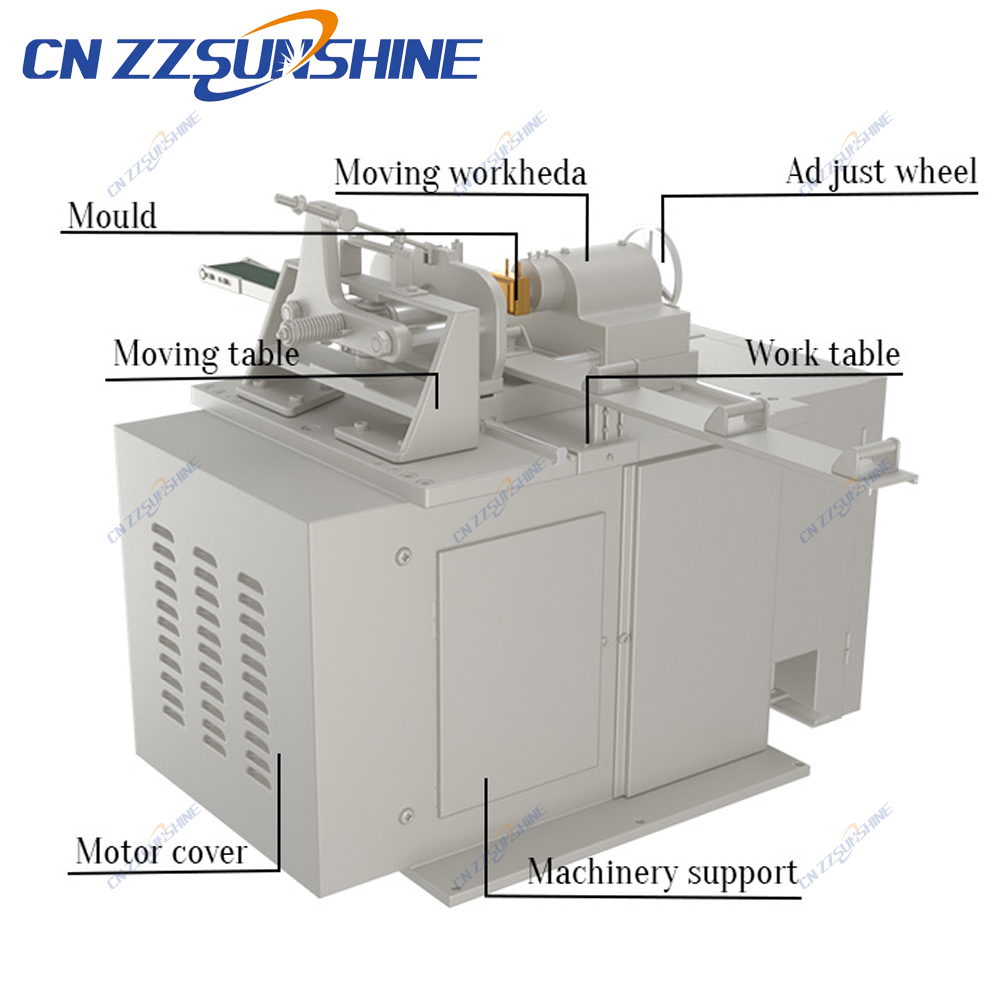
Automatic block cutter machines or pneumatic cutting machines precisely slice the continuous log into individual soap bars. Precision here is vital for weight consistency and minimizing waste. Depending on the production scale and desired level of automation, options range from manual cutting machines for smaller batches to high-speed electronic cutting machines integrated into fully automatic soap production lines.
Further refinement comes with milling and finishing. An OEM three roller grinding mill can be employed for refining soap pastes or specific formulations. For toilet soaps or beauty soap making lines, finishing equipment like soap stamping machines and film packaging machines add branding and protective packaging.
The choice of equipment depends heavily on the target product. A laundry soap making line might prioritize robust soap mixers and efficient plodders, while a toilet soap finishing line requires precise automatic printers for logos and sophisticated packaging solutions. Even smaller operations can benefit from mini soap production lines or semi-automatic printer setups.
In essence, transforming palm oil and caustic soda into market-ready soap bars hinges on selecting the right machinery for each stage – from efficient soap plodders and reliable automatic block cutter machines to precise finishing equipment. Investing in a well-designed soap making production line, tailored to the specific type of soap being produced (laundry, bath, beauty), ensures efficiency, consistency, and the high quality consumers expect.