


Mastering the Craft: Your Guide to Efficient Soap Production Lines in 2024
The global demand for soap, both laundry and toilet varieties, remains robust. Whether you’re a seasoned manufacturer looking to upgrade or a new entrant exploring this lucrative market, investing in the right equipment is paramount. The year 2024 brings exciting advancements and continued focus on efficiency and affordability. Understanding the core components of a soap making production line is the first step towards achieving high-quality output without breaking the bank.
At its heart, a successful soap production line, be it a dedicated laundry bar soap production line or a sophisticated toilet soap finishing line, is an integrated system. Each machine plays a vital role, transforming raw materials into finished, market-ready bars. Let’s delve into some of the essential machinery that makes this transformation possible and cost-effective.
The Foundation: Mixing and Refining
The journey begins with blending fats, oils, alkalis, and additives. A robust soap mixer, or mixing machine, is crucial for achieving a homogenous blend. This initial stage sets the foundation for the soap’s quality. For higher-end toilet soaps, achieving a smooth texture often involves refining the soap base. This is where equipment like an OEM three roller grinding mill comes into play, meticulously milling the soap noodles to ensure a fine, luxurious consistency before the next stage.
The Core: Plodding and Forming
The mixed and refined soap mass then moves to arguably the most critical piece of equipment: the soap plodder machine for bar soap. Modern vacuum plodder units are designed to work under vacuum conditions. This process removes trapped air, significantly enhancing the final bar’s density, durability, and lathering properties. The plodder compresses the soap into a continuous, solid log, ready for shaping. This step is fundamental in both bath soap making machine lines and laundry soap making line setups.
Shaping and Finishing: Cutting and Stamping
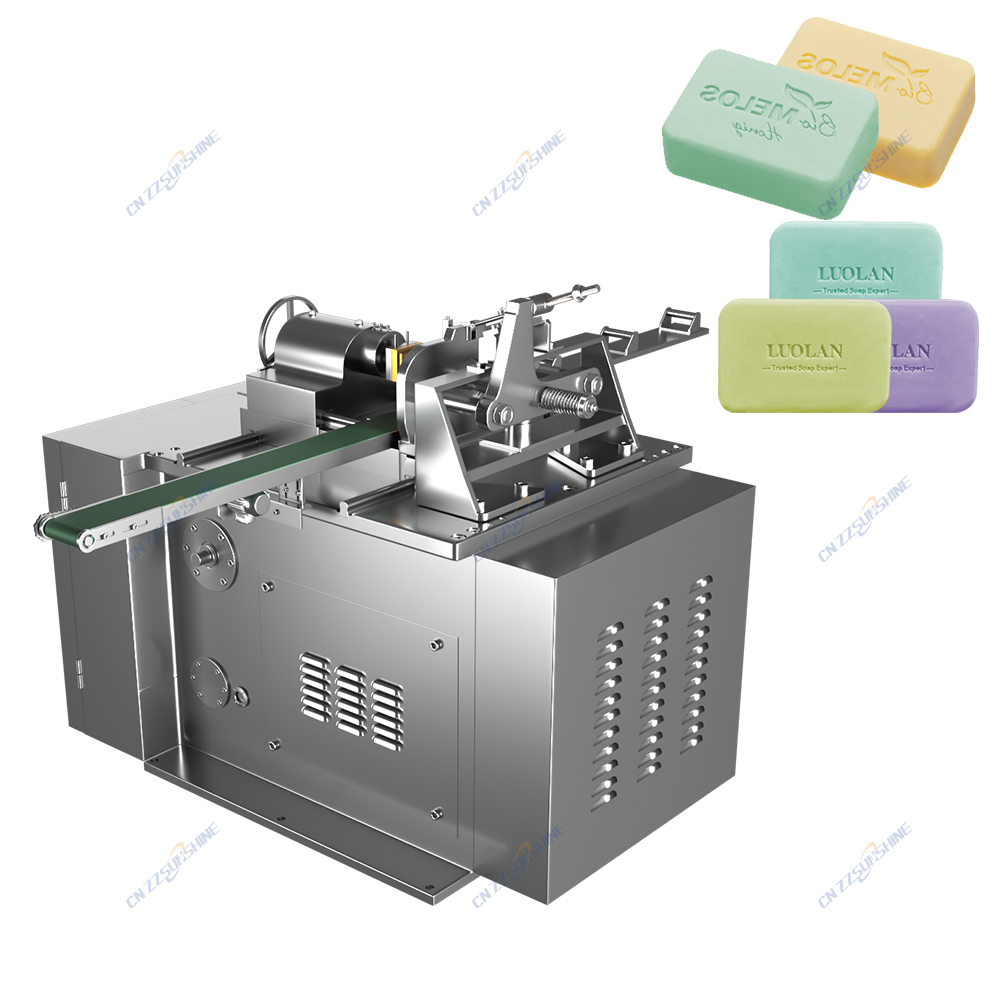
Once extruded from the plodder, the continuous soap log needs to be cut into individual bars. Here, cutter technology varies. Options range from manual cutting machines for very small-scale operations to highly efficient automatic block cutter machines. For larger volumes, electronic cutting machines or pneumatic cutting machines offer precision and speed, ensuring uniform bar sizes with minimal waste. Following cutting, the soap stamping machine imprints the brand logo or design onto each bar, adding the final touch of brand identity. This is especially vital for beauty soap making line products where presentation is key.
Packaging and Flexibility
The final stage involves packaging. Film packaging machines efficiently wrap individual bars or bundles, protecting the soap and extending shelf life. Modern lines offer flexibility. You might consider a mini soap production line for lower initial investment or specific product niches. Alternatively, semi-automatic printer or fully automatic printer systems can be integrated for labeling. The beauty lies in customization – custom soap cutting machine specifications or tailored plodder configurations allow manufacturers to adapt the line precisely to their product requirements, whether it’s a unique shape for a specialty bath soap making machine output or standard laundry bars.
The Path to Efficiency in 2024
Building an efficient automatic soap production line in 2024 means strategically selecting machinery that balances performance with cost. While terms like “Operation Soap Maker Machine With Cheap Price” highlight the importance of affordability, it’s crucial to focus on value and longevity. Investing in reliable core components like a quality soap plodder and efficient cutter ensures consistent production and minimizes downtime. Look for suppliers offering OEM options for critical components like the plodder or mills, potentially optimizing costs without sacrificing core functionality.
Conclusion
Navigating the Super Hot Soap Production Line in 2024 landscape requires knowledge. By understanding the roles of the soap mixing mixer, the vital soap plodder, precise cutters, and finishing equipment like stampers and packagers, manufacturers can make informed decisions. Whether aiming for a fully automatic soap production line or a more modular approach, the goal remains the same: producing high-quality soap efficiently and cost-effectively. Focus on the core machinery that delivers reliability and performance, and your soap production venture is well-positioned for success in the competitive market.