

The Essential Machinery Behind Palm Oil and Caustic Soda Soap Production
Soap, a fundamental product in daily hygiene and cleaning, starts its journey with basic raw materials. In large-scale manufacturing, factory palm oil and caustic soda (sodium hydroxide) form the core ingredients for creating traditional bar soaps. Transforming these raw components into the familiar solid bars requires sophisticated soap making machinery designed for efficiency, consistency, and high output. Understanding the production line is key for manufacturers aiming to optimize their operations.
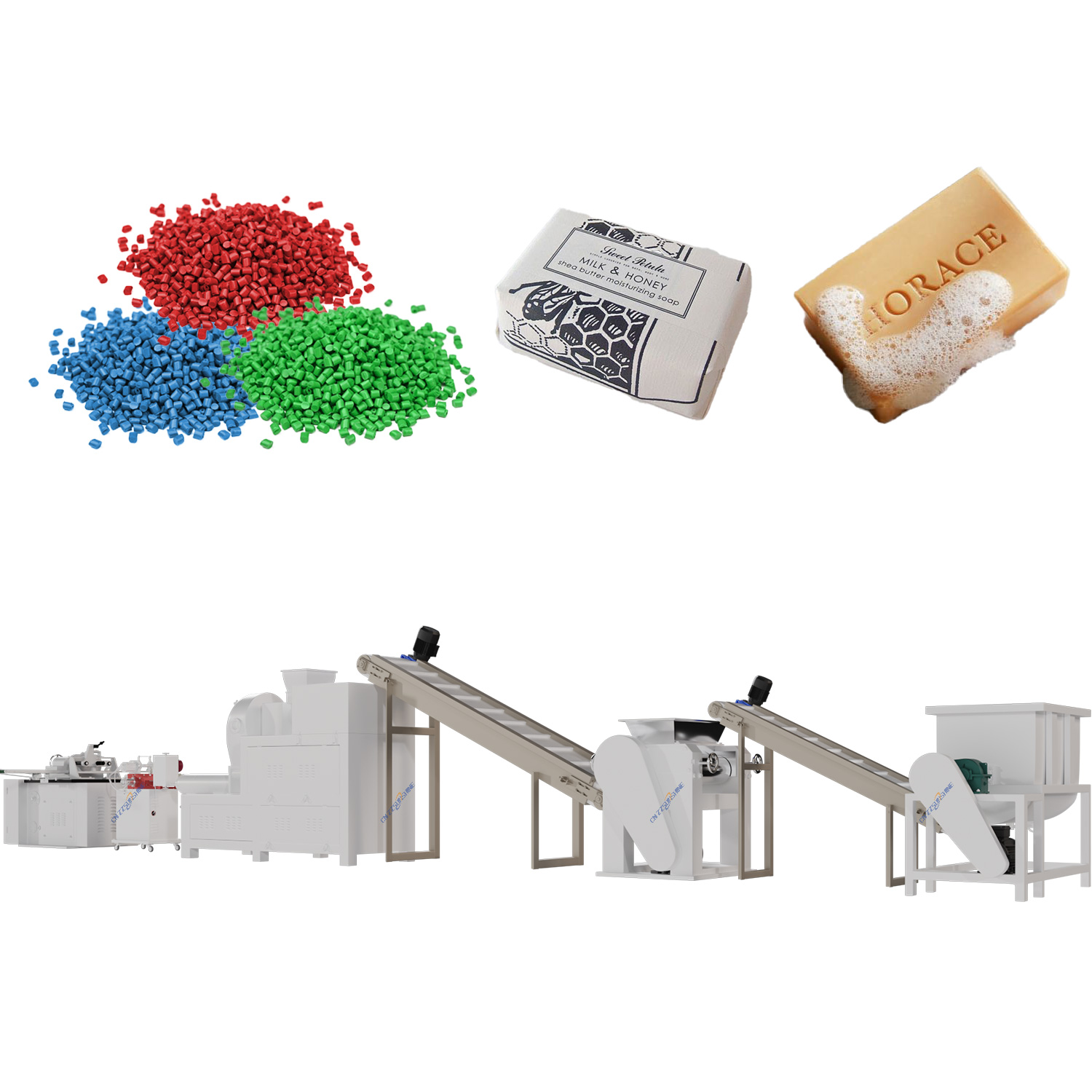
The process begins with precise saponification – the chemical reaction where palm oil fats react with caustic soda to form soap. This necessitates robust mixing machines capable of handling the initial blend and ensuring thorough reaction. Following saponification, the crude soap often undergoes refining. Here, equipment like an OEM three roller grinding mill plays a vital role, homogenizing the soap mass and achieving the desired smooth texture, especially critical for high-quality toilet soaps.
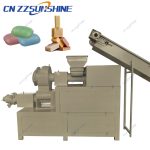
The refined soap is then transformed into a workable form. A core component is the soap plodder machine for bar soap. This machine compresses and extrudes the soap mass. For superior quality soap with minimal air bubbles and enhanced density, a vacuum plodder is often employed. The output is typically a continuous, solid log of soap, known as soap noodles. This extrusion stage is fundamental, and the soap noodles making machine (essentially the plodder) is central to defining the bar’s physical properties.
The continuous soap log then moves to cutting. Automatic block cutter machines or pneumatic cutting machines slice the log into precise, individual blocks. This step demands accuracy to ensure uniform bar sizes and weights. Depending on the production scale and desired automation level, manufacturers might choose between electronic cutting machines, manual cutting machines, or fully integrated automatic soap production lines.
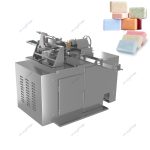
The final stages involve shaping and finishing. A soap stamping machine impresses the brand logo and design onto the cut soap bars. Finally, film packaging machines wrap the finished products, preparing them for distribution. Whether setting up a laundry soap making line, a toilet soap finishing line, or a bath soap making machine line, the choice between a semi-automatic printer and a fully automatic printer depends on volume requirements.
For manufacturers utilizing factory palm oil and caustic soda, investing in the right equipment chain – from efficient soap mixers and plodders to precise custom soap cutting machines and reliable finishing units – is paramount. A well-designed automatic soap production line, potentially starting from a mini soap production line scaling up, ensures consistent quality, high throughput, and efficient use of these essential raw materials, meeting the demands of both laundry bar soap production lines and sophisticated beauty soap making lines.