

Beyond the Bar: Unpacking the Versatility of Small-Scale Soap Making Lines
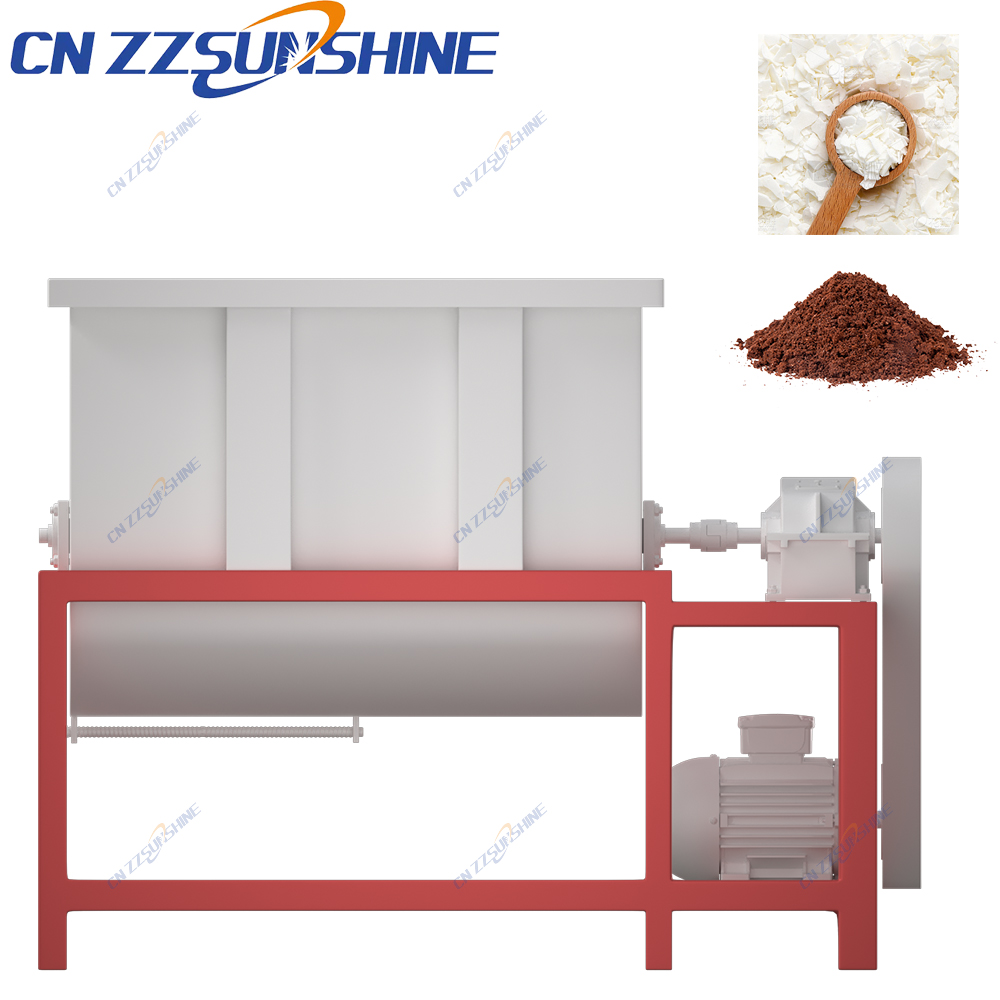
The world of soap manufacturing isn’t just for industrial giants. For entrepreneurs, specialty producers, and smaller businesses, the demand for efficient, compact, and versatile soap production equipment is booming. At the heart of many successful small-scale operations lies a crucial piece of equipment: the multi-functional soap mixer machine. This often-underestimated workhorse is the starting point for creating high-quality laundry bar soap, luxurious toilet soap, and fragrant bath soap, forming an essential link in a streamlined soap making production line.
Think of the soap mixer as the conductor of your soap’s initial symphony. Its primary job? To thoroughly blend fats, oils, lye, additives, and fragrances into a homogenous mass – the soap base. For smaller lines catering to niche markets or startups, a well-designed soap mixing machine offers significant advantages. It ensures consistent mixing, critical for achieving uniform quality in every batch, whether you’re producing a robust laundry soap or a delicate beauty bar. Modern mixing machines often feature variable speeds and robust construction, handling different formulations with ease. This flexibility is key when your small line might switch between laundry bar soap production line recipes and toilet soap finishing line requirements.
But mixing is just the first movement. To transform that blended mass into the familiar bar shape, the soap base typically moves through refining and forming stages. This is where equipment like the soap plodder machine for bar soap or a vacuum plodder comes into play. These machines work the soap, removing air and moisture (especially critical in vacuum plodder models) to create a dense, smooth extruded log. For truly small-scale or experimental batches, manual cutting machines might suffice initially, slicing the extruded log by hand. However, efficiency and precision quickly drive the need for automation. Enter the automatic block cutter machine, an electronic cutting machine, or a pneumatic cutting machine. These cutters precisely slice the continuous soap log into uniform blocks or billets, ready for the next stage. Options like the Electric washing soap cutter add functionality for specific cleaning needs during the cutting process.
The journey from block to finished product involves drying (often naturally or in controlled environments for smaller lines), stamping, and packaging. A semi-automatic printer or a fully automatic printer might be used for branding smaller batches. The final touch is often applied by a soap stamping machine, imprinting logos or designs, before the bars head to packaging. Compact film packaging machines efficiently wrap individual bars or sets, completing your mini soap production line or beauty soap making line.
What makes investing in a tailored soap making machine setup compelling for smaller producers? Beyond the core soap mixer and soap plodder, the ability to integrate custom soap cutting machines or leverage OEM three roller grinding mills for specific refining needs offers unparalleled flexibility. You’re not locked into a single product type. One day your line could efficiently produce laundry soap, the next, switch to crafting bespoke bath soap or even liquid products if you integrate washing liquid production equipment.
In essence, a thoughtfully assembled small automatic soap production line, anchored by a reliable multi-functional soap mixer machine, empowers smaller businesses to compete effectively. It provides the efficiency, consistency, and versatility needed to produce diverse, high-quality soap products – from everyday necessities to luxurious indulgences – without the footprint or complexity of massive industrial setups. It’s about smart scaling and maximizing your capabilities within a compact, efficient framework.