

The Indispensable Workhorse: Your Guide to Triple Roller Mills for Paints, Slurries, and Beyond
In the demanding world of processing viscous materials – from vibrant paints and intricate cosmetic formulations to high-performance chemicals – achieving the perfect grind and dispersion is non-negotiable. It dictates product quality, stability, and performance. This is where the robust and reliable Three Roller Mill (also commonly known as a Three Cylinder Mill) proves its indispensable value. More than just a piece of machinery, it’s often the cornerstone of precision in production lines across diverse industries.
Understanding the Three Roller Mill Mechanism
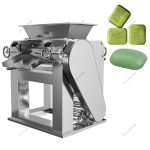
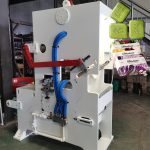
At its core, a three roller mill operates on a simple yet highly effective principle. Material is fed into the narrow gap between the first (feed roll) and second (center roll) cylinders. As these rolls rotate, often at different speeds and typically in opposite directions, they exert intense shearing forces. This action crushes, disperses, and homogenizes the mixture. The processed material is then transferred to the gap between the second and third (discharge roll) cylinders, undergoing further refinement before being scraped off the final roll by a doctor blade. The key to its effectiveness lies in the precise control over the gaps between the rolls and their adjustable speeds, allowing operators to target specific particle sizes and dispersion qualities.
Why the Three Roller Mill Reigns Supreme in Chemicals and Cosmetics
For industries where micron-level precision and uniform dispersion are paramount, the three roller mill is unmatched. Its ability to handle high-viscosity pastes and slurries makes it ideal for:
Paints, Inks, and Coatings: Achieving the fine pigment dispersion necessary for color strength, gloss, and durability. It’s crucial for both base production and high-end specialty finishes.
Cosmetics: Processing lipsticks, foundations, mascaras, and other pigmented products where smooth texture and even color distribution are critical. It ensures that every batch meets stringent quality standards.
Electronics & Specialty Chemicals: Grinding and dispersing conductive pastes, ceramic slurries, magnetic inks, and other advanced materials where particle size distribution directly impacts functionality.
Pharmaceuticals (Certain Applications): Where fine grinding and homogenization of specific compounds are required, though always adhering to relevant regulations.
The mill’s capability to produce extremely fine and uniform particles without excessive heat buildup (a common issue with other grinding methods) protects sensitive ingredients and preserves product integrity.
Beyond Chemistry: The Three Roller Mill in Soap Production
While its roots are deep in chemical processing, the versatility of the triple roller mill extends powerfully into the soap making industry. Here, it plays a vital role, particularly in refining and homogenizing soap base before final shaping and finishing.
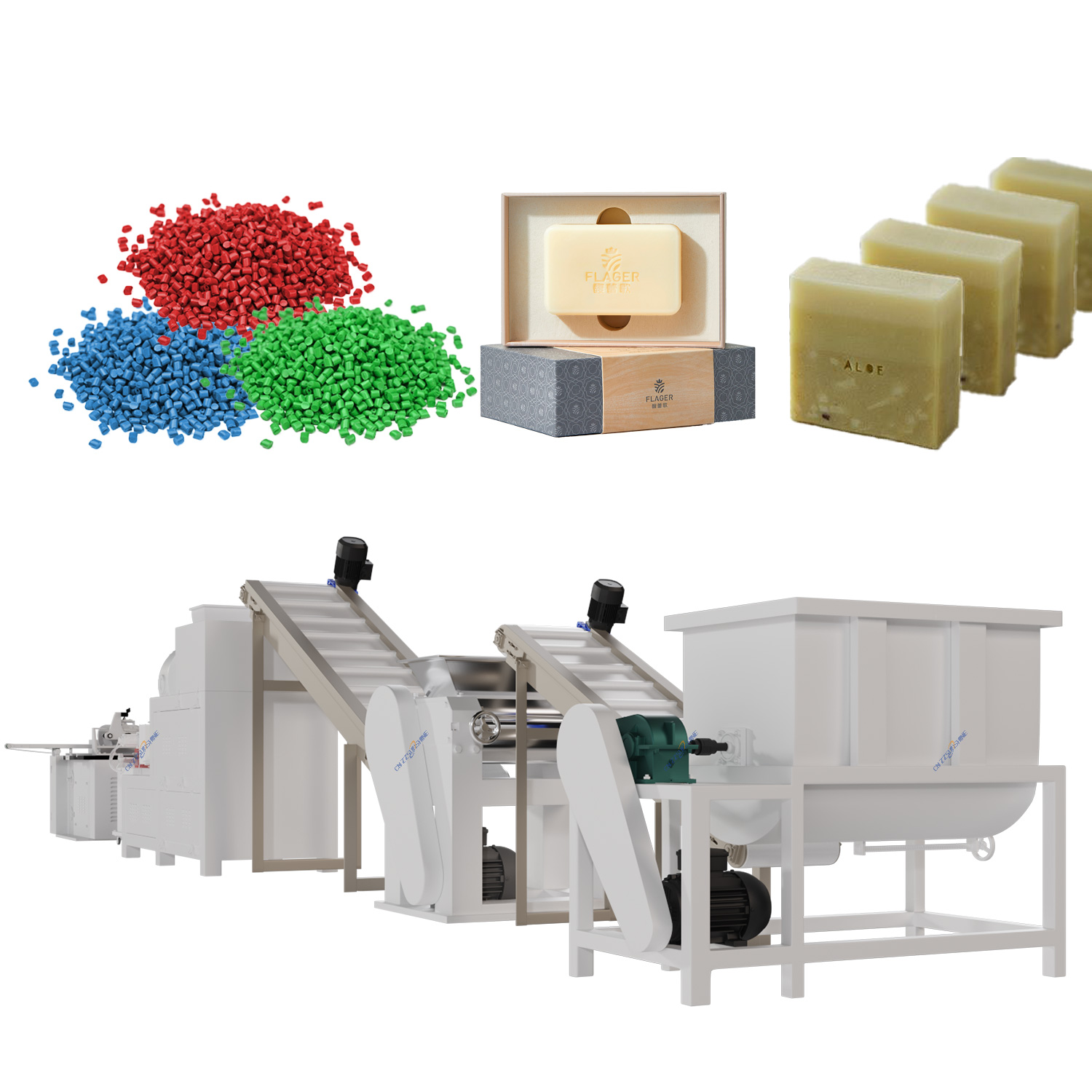
Integrating with the Soap Production Line: After the initial saponification and drying, the soap noodles or flakes need to be thoroughly mixed and refined. A three roller mill is often employed downstream from the soap mixer or soap plodder machine for bar soap. It works effectively to ensure the soap mass is uniform in texture and color, free of streaks or graininess, before it enters the vacuum plodder for extrusion. This step is critical for producing high-quality laundry bar soap and toilet soap.
Handling Additives: When incorporating pigments, exfoliants, fragrances, or other additives into specialty beauty soap or bath soap, the three roller mill provides the necessary shear to disperse these components evenly throughout the soap base, preventing speckling or uneven distribution.
OEM and Custom Solutions: Manufacturers often seek OEM three roller grinding mill units or custom soap cutting machine solutions. A well-designed triple roller mill can be tailored to fit specific throughput requirements within an automatic soap production line or a more compact mini soap production line, complementing equipment like automatic block cutter machines, soap stamping machines, and film packaging machines.
Choosing the Right Partner: Customization and Quality Matter
Whether you’re refining a complex chemical formulation or ensuring the smooth texture of a luxury soap bar, selecting the right three roller mill is crucial. Factors like roll material (often chilled iron or stainless steel), roll hardness, cooling capabilities, motor power, and ease of gap adjustment are paramount. Manufacturers offering OEM services can tailor these parameters to your specific material and production volume needs, ensuring optimal performance within your existing line – be it a high-volume laundry soap making line, a toilet soap finishing line, or a specialized cosmetic production setup.
The Unmatched Precision Tool
From creating the perfect automotive paint finish to ensuring the luxurious feel of a high-end cosmetic or the consistent quality of a laundry detergent bar, the Paints Slurry Grinding Milling Machine Three Cylinder Mill stands as a testament to enduring engineering principles meeting modern manufacturing demands. Its ability to deliver precise particle size reduction and superior dispersion, handling materials from thin printing inks to thick soap pastes, makes it a truly versatile and essential piece of equipment. For producers seeking reliability, quality, and efficiency in processing challenging viscous materials, investing in a robust three roller mill is an investment in the foundation of their product excellence.