Crafting Efficiency: Your Guide to Modern Bar Soap Production Lines
The demand for high-quality bar soaps, whether for laundry, beauty, or everyday hygiene, continues to grow. Meeting this demand efficiently requires sophisticated manufacturing capabilities. Investing in a well-designed soap making production line is no longer a luxury but a necessity for businesses aiming to scale effectively while maintaining product consistency and quality. This article explores the essential machinery that transforms raw materials into finished bars, focusing particularly on solutions suitable for small to medium-scale operations seeking speed and reliability.
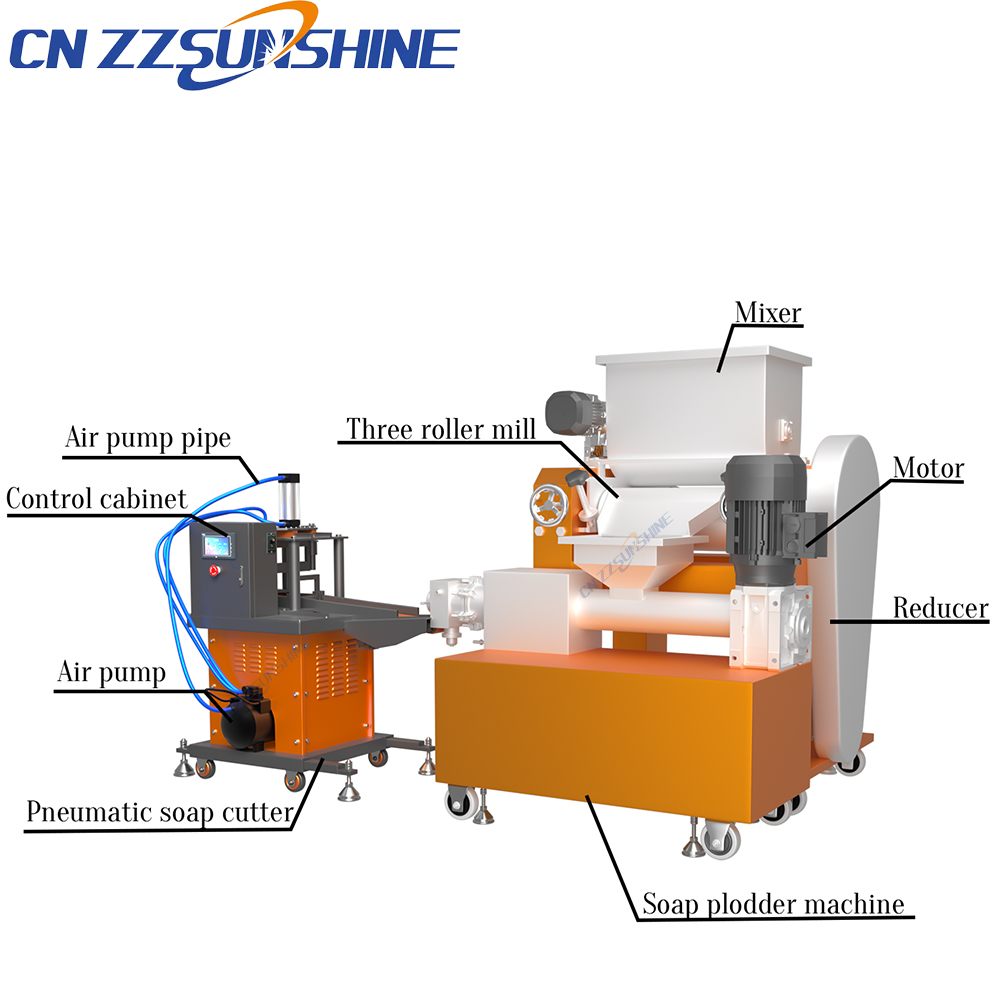
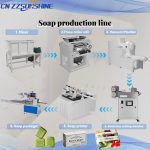
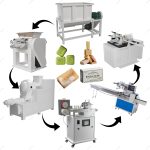
At the heart of any successful laundry bar soap production line or toilet soap finishing line lies a combination of precision engineering and robust processes. The journey begins with the soap mixer, a critical component where saponified soap base, fragrances, colorants, and additives are thoroughly blended. Achieving a homogenous mixture here is paramount for the final product’s texture and performance. Following mixing, the soap plodder machine for bar soap takes center stage. This equipment, often featuring a vacuum plodder, compresses the soap mass under vacuum conditions. This crucial step removes air pockets, significantly enhancing the soap’s density, smoothness, and longevity, preventing crumbling during use.
The compressed soap log emerging from the plodder is then ready for sizing. Here, the automatic block cutter machine plays a vital role. This equipment slices the continuous log into manageable blocks of precise dimensions. Options range from pneumatic cutting machines for simpler operations to sophisticated electronic cutting machine or automatic soap production line integrated units for higher throughput. Accuracy at this stage ensures minimal waste and consistent bar weights downstream.
Subsequent refining often involves an OEM three roller grinding mill. This equipment further refines the soap’s texture, ensuring a smooth, consistent feel. The refined soap noodles are then fed back into a final plodding stage, typically using a high speed laundry soap making plodder equipment, to form a continuous, uniform extruded bar. This extruded bar is then cut into individual soap blanks. Modern cutting solutions include custom soap cutting machine designs tailored to specific bar shapes and sizes, electric washing soap cutter units, or fully automatic soap production line integrated cutters.
The final stages transform these blanks into the finished product consumers recognize. A soap stamping machine imprints logos, branding, or decorative patterns. Depending on the line’s sophistication, this could be a semi-automatic printer requiring operator loading or a fully automatic printer integrated seamlessly. Finally, packaging protects the soap and presents it attractively. A film packaging machine efficiently wraps individual bars or bundles, completing the soap making machine sequence.
For businesses starting out or focusing on niche markets like beauty soap making line or savon kitchen soap making line, a mini soap production line offers an excellent entry point. These compact systems often integrate key components like a mixer, compact plodder, and manual cutting machine or simpler cutter, providing a cost-effective way to produce high-quality soaps without the footprint of a full-scale automatic soap production line.
Selecting the right combination of equipment – from the essential soap plodder and cutter to optional refiners like the roller mill and finishing machines like stampers and wrappers – is crucial. Partnering with experienced manufacturers ensures access to reliable soap making machine technology, whether seeking standard configurations or custom soap cutting machine solutions. A well-planned soap making production line, incorporating appropriate washing liquid production equipment if diversifying, empowers manufacturers to meet market demands with efficiency, consistency, and scalability.