Beyond Bubbles: Navigating Your Ideal Soap Production Line
The global demand for soap, encompassing everything from utilitarian laundry bars to luxurious bath and beauty products, remains consistently strong. For businesses looking to enter this market or scale existing operations, selecting the right manufacturing equipment is paramount. Increasingly, discerning manufacturers are turning to China, not just as a source of cost-effective solutions, but as a hub for sophisticated, reliable soap making production line technology. Understanding the components and capabilities available is the first step towards building a competitive and efficient operation.
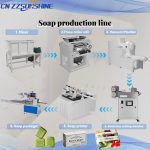
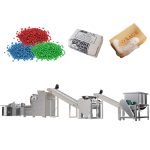
A modern automatic soap production line integrates several key machines working in harmony. It begins with the foundational soap mixer or mixing machine, where raw materials like fats, oils, and caustic soda are combined to initiate the saponification process. Precision in this initial stage is crucial for consistent quality. The resulting soap mass then moves to refining equipment. Here, the OEM three roller grinding mill plays a vital role, especially for high-quality toilet or beauty soaps, by refining the soap base to achieve a smooth texture and uniform consistency.
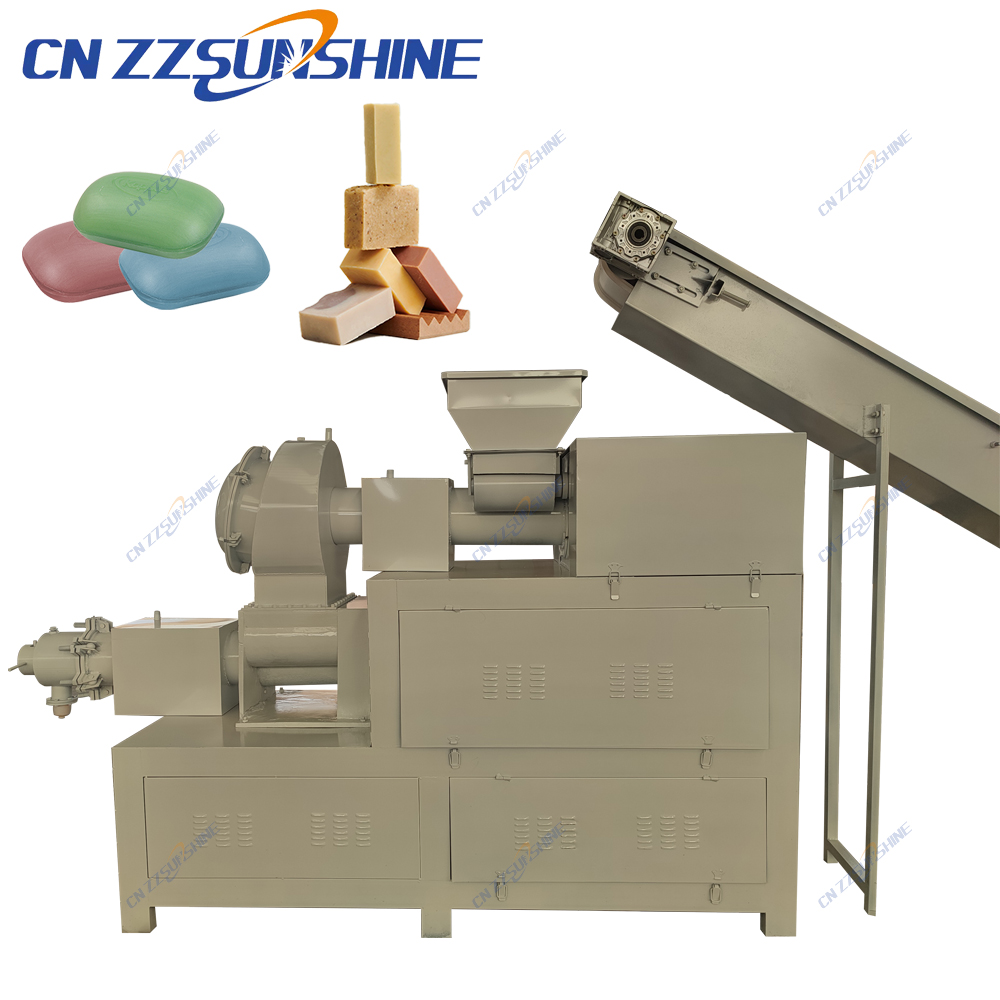
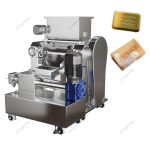
For forming the soap, the soap plodder machine for bar soap is indispensable. Modern lines often feature advanced vacuum plodder technology. This equipment compresses, homogenizes, and extrudes the soap base under vacuum conditions, removing air bubbles and moisture to create a dense, uniform noodle. This extrusion is fundamental for producing a high-quality bar that lathers well and lasts long. Following extrusion, the continuous soap noodle requires cutting into individual bars. This is where automatic block cutter machines shine. These can range from highly efficient electric washing soap cutters to pneumatic cutting machines or electronic cutting machines, offering precise, high-speed cutting with minimal waste, essential for both laundry bar soap production lines and toilet soap finishing lines. For smaller batches or specialized products, manual cutting machines or semi-automatic printers might be employed.
The finishing stages add brand identity and prepare the soap for market. Soap stamping machines imprint logos or designs onto the freshly cut bars. Finally, efficient packaging is handled by film packaging machines, ensuring the product is protected and presented professionally. For liquid products like hand wash, dedicated washing liquid production equipment complements solid soap lines.
The advantage of sourcing from established soap factory from China lies in their extensive experience and flexibility. They offer comprehensive solutions, from complete laundry soap making lines and bath soap making machine setups to smaller scale mini soap production line options. Crucially, they provide custom soap cutting machine designs and OEM capabilities, allowing manufacturers to tailor equipment to specific product shapes, sizes, and throughput requirements. This level of customization ensures that whether you’re producing simple laundry bars or intricate beauty soap making line products, the machinery fits your exact needs.
Investing in a well-designed soap making machine line, particularly one sourced from reputable Chinese manufacturers offering tailored solutions and robust technology like the vacuum plodder and automatic printer, is an investment in efficiency, scalability, and product quality. By understanding the components and the expertise available, businesses can confidently build or upgrade their soap manufacturing operations to meet market demands effectively.