Operation Soap Maker Machine With Cheap Price: Your Practical Guide to Getting Started
Soap making – it’s an art, a science, and for many, a thriving business. But let’s face it, hand-stirring and cutting every single bar isn’t scalable if you dream of growing beyond a hobby. You need efficient tools. The good news? Entering the world of soap production doesn’t require a massive upfront investment in a fully automated soap production line. Affordable options exist, especially when you focus on manual or semi-automatic equipment. Understanding how to effectively operate a soap making machine, even one with a cheap price point, is key to unlocking your potential.
The Core: Manual & Semi-Automatic Soap Making Machines
For small businesses, startups, or artisans looking to increase output without breaking the bank, manual and semi-automatic machines are the perfect entry point. These machines handle the most labour-intensive parts of the process, significantly boosting productivity compared to purely handmade methods.
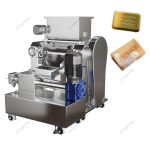
1. Hand Soap Making Machine (Manual Operation): This often refers to fundamental equipment like a manual cutting machine or a simple soap stamping machine. A manual cutting machine allows you to slice large soap loaves into uniform bars with consistent thickness using a lever or hand-operated mechanism, replacing tedious knife work. A basic soap stamping machine lets you imprint logos or designs onto each bar efficiently. Operating these is straightforward: load the soap, apply force (lever, press), unload. They are robust, require minimal maintenance, and are incredibly cost-effective.
2. Stepping Up: Semi-Automatic Printers and Cutters: These machines represent a significant efficiency jump. A semi-automatic printer might involve manually loading bars onto a conveyor or tray, but the stamping action (printing) is powered (often pneumatically or electrically). Similarly, a semi-automatic cutter (like a pneumatic cutting machine or electric washing soap cutter) uses power (air or electricity) to drive the cutting blade, but loading and unloading might be manual. Operation involves positioning the soap, activating the machine (often with a foot pedal or button), and removing the finished piece. They offer greater speed and consistency than fully manual tools while remaining relatively affordable.
Key Components in a Small-Scale Line (Even Affordable Ones)
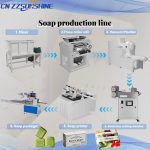
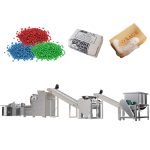
While you might not have a full toilet soap finishing line or laundry bar soap production line immediately, understanding the core equipment helps:
Soap Mixer: Essential for thoroughly blending oils, lye solution, fragrances, and additives. A good mixer ensures a homogenous batch, crucial for quality.
Soap Plodder: This is the heart of bar soap production. Even smaller scale vacuum plodder machines (or simpler plodders) are used to homogenize, compact, and extrude the mixed soap mass into a continuous, dense log or bar. It removes air bubbles and gives the soap its firm texture. Operating a soap plodder machine for bar soap involves feeding the mixed soap into the hopper, where screws convey it through barrels, under vacuum (in better models), and finally force it out through a die to form the log.
Cutting: As mentioned, this is where manual cutters, pneumatic cutting machines, or even basic automatic block cutter machines come in. They slice the extruded log into individual bars. Operation requires setting the desired thickness and carefully feeding the log.
Stamping/Printing: Adding your brand identity via a soap stamping machine or semi-automatic printer. Operation involves aligning the bar and activating the stamp.
Operating Your Affordable Soap Maker Machine: Tips for Success
1. Read the Manual: Even simple machines come with instructions. Understand the settings, capacities, and safety procedures.
2. Start Simple: Begin with uncomplicated soap recipes when learning your new machine. This helps you focus on mastering the equipment operation without recipe complications.
3. Consistency is Key (for the Soap!): Before feeding soap into a plodder or cutter, ensure the soap mass is uniform in texture and temperature. Variations can cause extrusion problems or uneven cutting. Your mixer plays a vital role here.
4. Cleanliness is Non-Negotiable: Clean every part of your equipment thoroughly after every use. Soap residue hardens and can clog machines, affect quality, and become a hygiene issue. Pay special attention to dies, cutters, and stamp faces.
5. Maintenance Matters: Regularly lubricate moving parts (as per manufacturer guidelines), check for loose bolts, and inspect blades/cutters for sharpness. Preventative care extends machine life significantly.
6. Safety First: Wear appropriate PPE (gloves, safety glasses). Be mindful of moving parts, especially on semi-automatic machines. Never bypass safety features.
Choosing the Right “Cheap Price” Machine for You
“Cheap price” shouldn’t mean flimsy or unusable. Focus on value:
Identify Your Bottleneck: What slows you down most? Cutting? Stamping? Focus your initial investment there (e.g., a manual cutter or semi-automatic printer).
Consider Volume: How many bars do you realistically need to produce per hour/day? A small mini soap production line centred around a manual plodder and cutter might suffice initially.
Build Modularly: Choose equipment that can integrate later. A good mixer or plodder can be part of a larger automatic soap production line in the future.
Material & Build Quality: Look for food-grade stainless steel contact parts. Robust construction ensures longevity.
Supplier Reputation: Buy from reputable suppliers who offer basic support and spare parts.
Conclusion: Efficiency Within Reach
Operating a soap maker machine doesn’t have to be complex or prohibitively expensive. By starting with well-chosen manual or semi-automatic equipment – a reliable soap mixer, a suitable soap plodder machine, a manual cutting machine or pneumatic cutter, and a semi-automatic printer – you can dramatically increase your production capacity, ensure consistent quality, and present a professional product. Mastering the operation of these affordable tools is the crucial first step towards building a successful soap business, whether you’re crafting delicate beauty soap or robust laundry bars. Invest wisely, operate carefully, and watch your soap-making venture grow.