Crafting Quality Soap Noodles: Palm Oil, Caustic Soda, and Precision Machinery
The journey from raw materials to finished soap bars begins long before the stamping and packaging stages. At the heart of many soap production lines lies the creation of soap noodles – the essential base material. Understanding the critical role of raw materials like palm oil and caustic soda, coupled with specialized machinery, is key to efficient and high-quality production.
Foundational Ingredients: Palm Oil and Caustic Soda
Palm oil serves as a primary fat source in soap manufacturing due to its excellent lathering properties and ability to produce a hard, long-lasting bar. Its relatively stable nature makes it a preferred choice globally. The transformation of oils into soap occurs through saponification, where fats react with a strong alkali – typically caustic soda (sodium hydroxide) for solid bars. This chemical reaction produces soap and glycerin. Precise control over the quality and ratio of these raw materials is paramount for achieving the desired characteristics in the final soap noodles.
The Machinery Behind Soap Noodles Production
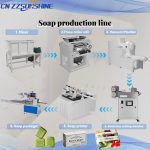
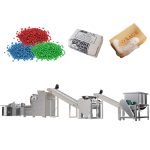
Turning the saponified mixture into uniform soap noodles requires a series of specialized machines integrated into a soap making production line.
1. Mixing and Refining: The saponified paste, often containing excess moisture and glycerin, enters a soap mixer. This crucial component ensures thorough blending and initiates the drying process. For higher quality noodles, especially in toilet soap finishing lines or beauty soap making lines, an OEM three roller grinding mill might be incorporated after the mixer to refine the paste texture further, removing any lumps and ensuring homogeneity.
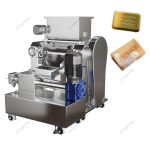
2. Plodding: The refined soap paste is then fed into a soap plodder machine for bar soap, often a vacuum plodder. This machine works under reduced pressure to extrude the soap continuously while removing residual air and moisture, resulting in a dense, compacted soap mass. The vacuum plodder is vital for producing high-density noodles with a smooth texture, essential for premium bars.
3. Cutting: The extruded soap log exits the plodder and is immediately cut into the familiar noodle form. This is typically achieved using an automatic block cutter machine. Options range from electric washing soap cutters to pneumatic cutting machines, depending on the production scale and specific line requirements. The cutter ensures consistent noodle size and shape, facilitating efficient drying and subsequent processing.
Integrating into the Production Line
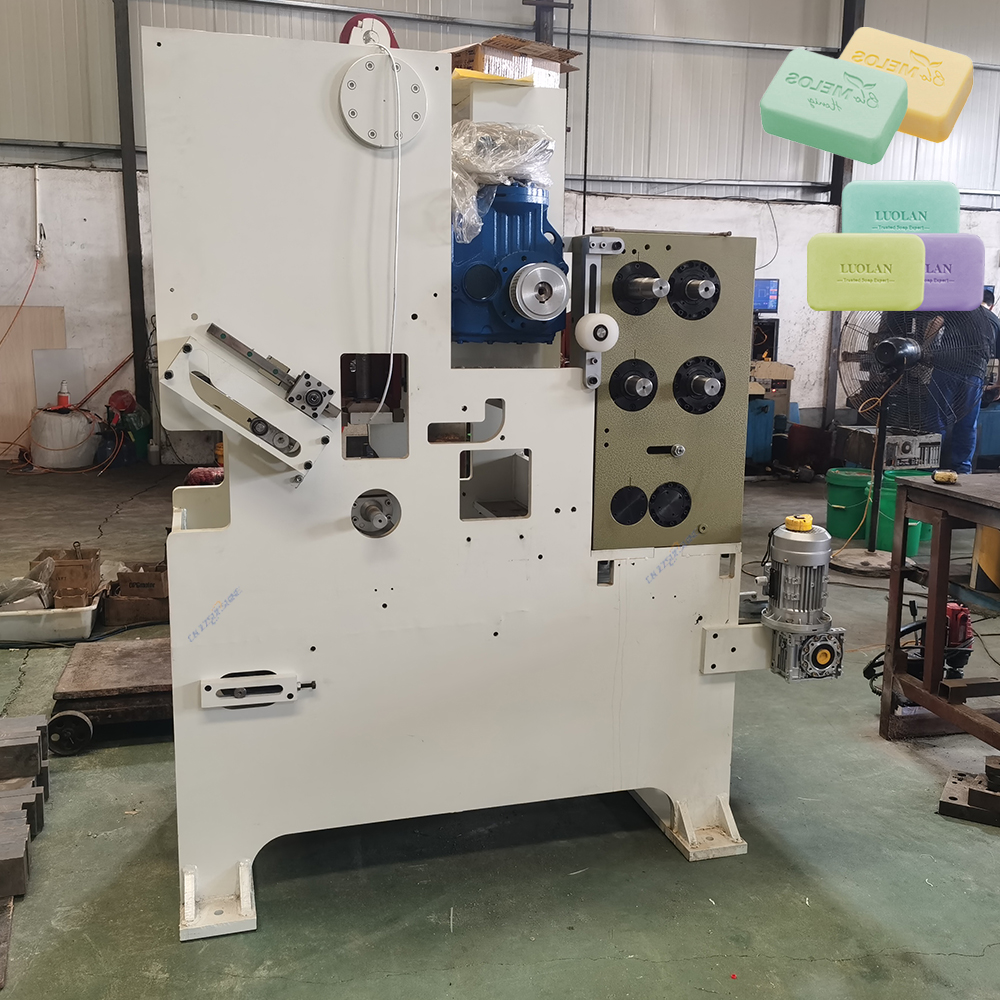
The soap noodle making segment is a critical component within both laundry bar soap production lines and bath soap making machine setups. The quality of noodles directly impacts the efficiency of downstream processes like final plodding, stamping (using an Automatic Soap Stamping Machine), cutting, and packaging (potentially involving a Film Packaging Machine). Whether part of a large-scale Automatic soap production line or a smaller Mini Soap Production Line, the reliable performance of the mixer, plodder, and cutter is fundamental.
Conclusion
Mastering soap noodle production hinges on the synergy between high-quality raw materials like palm oil and caustic soda and the precision engineering of dedicated machinery. The soap plodder, soap mixer, and automatic block cutter machine form the core of this stage. Investing in reliable and well-maintained equipment ensures consistent, high-density soap noodles, laying the essential groundwork for efficient manufacturing of both laundry and toilet soaps throughout the entire production line. For tailored solutions, manufacturers often seek custom soap cutting machines or specific OEM three roller grinding mills to meet unique production needs.