Unlocking Value: Understanding the Price of a 150 Kg/h Soap Production Line
For businesses scaling their soap manufacturing, investing in a dedicated production line is a pivotal decision. A key consideration? The price of a 150 kg/h soap equipment production line. Understanding the factors influencing this cost is crucial for making an informed investment that delivers competitive value.
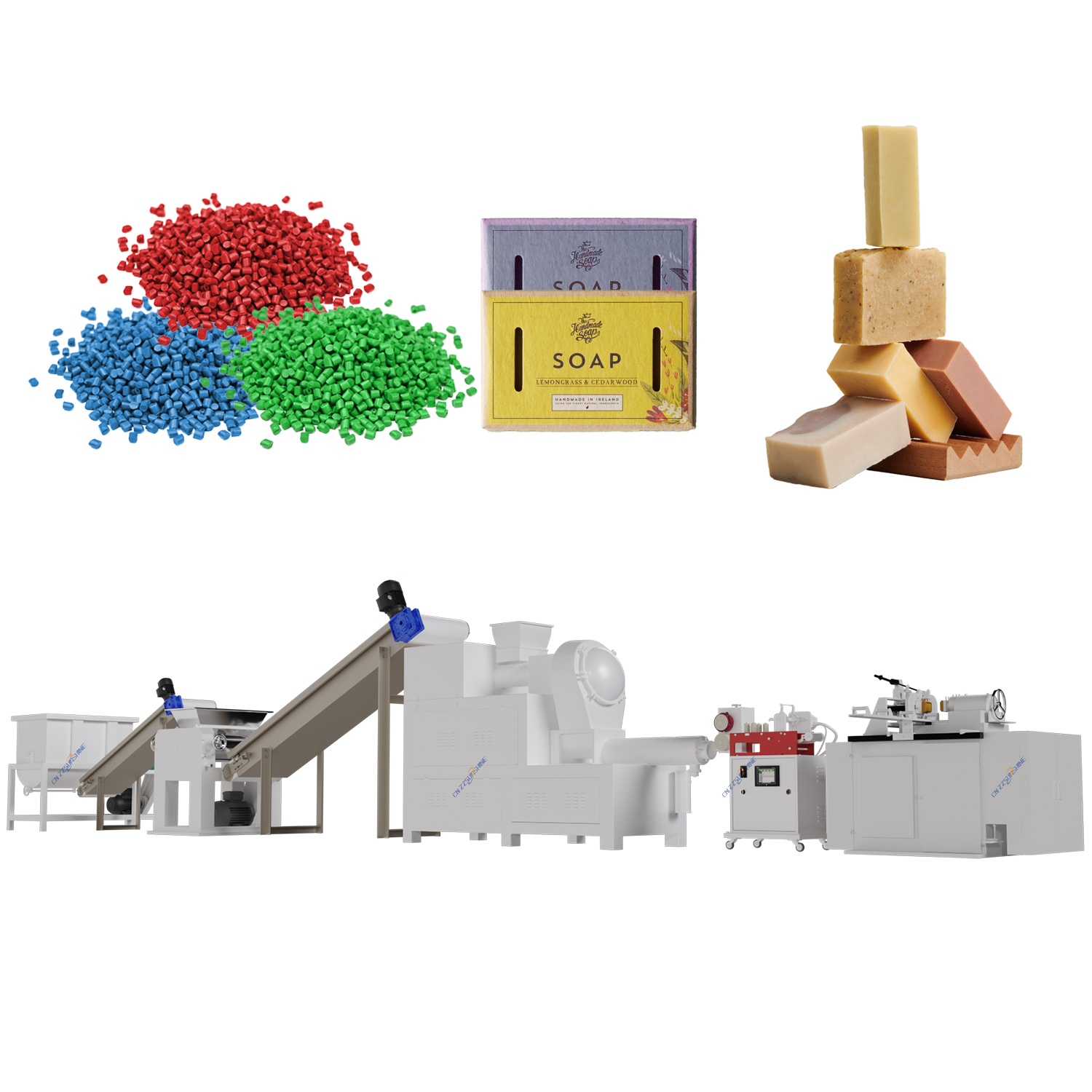
A soap making production line operating at 150 kg/h represents a significant step up from smaller setups like a mini soap production line, offering robust output suitable for growing brands or contract manufacturers. This capacity efficiently serves both laundry bar soap production line and toilet soap finishing line needs, making it a versatile choice. Such an automatic soap production line integrates several critical components, each contributing to the overall soap making machine cost.
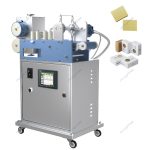
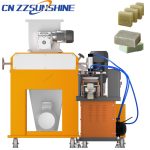
Core equipment typically includes a soap mixer or mixing machine for blending raw materials, followed by refining stages potentially involving an OEM three roller grinding mill. The heart of the line often features a soap plodder machine for bar soap, frequently a vacuum plodder, which extrudes and compacts the soap mixture. Downstream, an automatic block cutter machine or custom soap cutting machine (options include electronic cutting machine, pneumatic cutting machine, or manual cutting machine) sizes the extruded soap log. Further processing might involve a soap stamping machine for branding and potentially a film packaging machine or semi-automatic printer/automatic printer for wrapping.
So, what drives the price competitive nature of such a line? Several factors interplay:
1. Level of Automation: A fully automatic soap production line commands a higher initial investment than semi-automatic setups but offers lower labor costs and higher consistency long-term. The choice between electric washing soap cutter models or more automated cutting solutions impacts price.
2. Equipment Quality & Brand: Premium components (like high-grade soap plodder units or advanced cutter systems) and reputable manufacturers often come at a premium but ensure durability and performance. Lines designed for demanding applications like a beauty soap making line might require higher specifications.
3. Configuration & Customization: Is it a standard laundry soap making line or a specialized bath soap making machine setup? Does it require a bespoke custom soap cutting machine or specific washing liquid production equipment integration? Customization adds cost but ensures the line perfectly fits your product.
4. Scale and Supplier: The 150 kg/h capacity itself positions it between smaller and large industrial lines, often hitting a sweet spot for value. Sourcing directly from experienced manufacturers offering OEM capabilities can provide better pricing than intermediaries.
While pinpointing an exact figure without specific requirements is impossible, a well-configured 150 kg/h line typically represents a significant investment, often ranging from tens of thousands to over a hundred thousand dollars, depending heavily on the factors above. However, the focus should be on value. A price competitive line isn’t necessarily the cheapest; it’s the one offering the best return on investment through reliable output (150 kg/h), efficiency, low maintenance, and the ability to produce high-quality bars for your target market – be it laundry, toilet, or beauty soap.
When evaluating the price of soap making machine 150 kg/h soap equipment production line, prioritize suppliers with a proven track record, transparent costing, and the ability to tailor the solution (soap making production line) to your exact needs, ensuring your investment truly is price competitive in the long run. Request detailed quotations outlining each component (mixer, soap plodder, cutter, stamper, packager) to accurately compare offerings.