Unlocking Efficiency & Profit: Your Guide to Industrial Soap Production Solutions
The demand for high-quality, affordable commercial cleaning products and personal care soaps remains robust. Whether you’re supplying hotels, hospitals, laundromats, or targeting the consumer market with beauty bars, the efficiency of your production line is paramount. Investing in the right equipment – from a durable commercial laundry soap product line to a precisely engineered bath soap mixing machine offered at a good price – isn’t just an expense; it’s a strategic move towards scalability, consistency, and profitability. This guide explores key components for building a competitive soap making production line.
Building a Robust Foundation: The Laundry Bar Soap Production Line
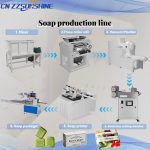
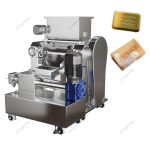
Commercial laundry operations require soap bars that are tough on stains yet gentle on fabrics, produced reliably in large volumes. A dedicated laundry bar soap production line is designed for this exact purpose, focusing on durability and high throughput. At its core lies the soap plodder machine for bar soap, often a vacuum plodder. This critical component compresses the saponified soap base under vacuum, eliminating air pockets that cause crumbling and ensuring a dense, long-lasting bar suitable for heavy-duty washing. The homogenized soap mass exiting the plodder is then shaped into a continuous log.
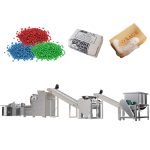
Precision cutting follows. An automatic soap cutting machine or block cutter machine slices the log into uniform billets or blocks with minimal waste. Options range from electronic cutting machines to pneumatic cutting machines, each offering speed and accuracy unattainable with manual cutting machines. For high-volume facilities, integrating an automatic soap production line that seamlessly links plodding, cutting, and potentially stamping and packaging significantly boosts output. The final stage typically involves soap stamping for branding and potentially film packaging for protection and presentation before distribution. Choosing equipment known for durability minimizes downtime and maintenance costs in this demanding application.
Crafting Quality: The Toilet and Beauty Soap Finishing Line
Shifting focus to personal care, a toilet soap finishing line or beauty soap making line demands greater refinement. While the initial saponification and mixing stages might be similar (utilizing a high-shear soap mixer), the finishing processes differ significantly. After mixing, the soap base often undergoes milling for a smoother texture and enhanced lather. This is where an OEM three roller grinding mill proves invaluable, refining the soap paste to the desired consistency.
For high-quality bar soaps, especially those with additives or fragrances requiring gentle handling, a specialized soap plodder remains crucial. Vacuum plodders are again preferred to ensure a flawless, bubble-free finish. The subsequent cutting must be exceptionally precise to maintain the aesthetic appeal of luxury or beauty soaps. Automatic cutters ensure clean, consistent shapes every time. Soap stamping machines then impart intricate designs and logos, a vital step for brand identity in the competitive personal care market. Packaging options are diverse, ranging from sophisticated film packaging machines to elegant boxes, completing the premium presentation expected for toilet and beauty soaps.
The Essential Workhorse: Finding the Right Mixing Machine
Whether producing laundry bars, bath soaps, or liquid detergents (requiring specific washing liquid production equipment), the mixing stage is fundamental. A poorly mixed batch leads to inconsistent quality, poor performance, and customer dissatisfaction. Investing in a robust mixing machine is non-negotiable.
For solid soap production, industrial soap mixers are designed to handle viscous pastes, incorporating ingredients like fragrances, colors, and additives uniformly. The efficiency of this stage directly impacts the quality downstream. When sourcing a bath soap mixing machine, prioritize models known for thorough blending, durability, and ease of cleaning. Finding a machine that delivers this reliability at a good price optimizes your initial investment. The right mixer ensures every bar or batch meets your specifications, laying the groundwork for a consistent, marketable product.
Tailoring Your Production Solution
One size rarely fits all in manufacturing. Many equipment providers offer custom soap cutting machine solutions and other tailored components (OEM three roller grinding mill, specialized soap plodder configurations) to meet unique production requirements or space constraints. For businesses starting smaller or testing new markets, mini soap production lines or semi-automatic options like a semi-automatic printer might be the ideal entry point, offering flexibility and lower initial capital outlay before scaling up to a fully automatic soap production line with automatic printers and sophisticated logistics.
Conclusion: Investing in Your Soap Making Future
Selecting the right machinery – be it a comprehensive laundry soap making line, a precision toilet soap finishing line, or a core component like a dependable soap mixer or efficient bath soap mixing machine – is a critical decision impacting your product quality, output capacity, and bottom line. By focusing on durable commercial laundry soap product lines, leveraging efficient soap making machines, and sourcing key components like mixing units at a good price, manufacturers can build resilient, profitable operations. Partner with equipment providers who offer not just machines, but reliable performance and support, ensuring your investment delivers long-term value and positions your business for sustainable growth in the competitive soap market.