The Art and Science of Soap Manufacturing: Key Processes and Equipment
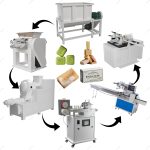
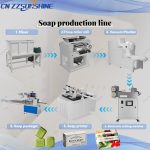
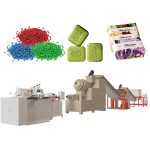
The global demand for bar soaps, encompassing laundry bars, bath soaps, and specialty beauty soaps, remains consistently strong. Behind every perfectly formed bar lies a sophisticated soap making production line, integrating specialized machinery to transform raw materials into consumer-ready products. Key stages like refining, plodding, cutting, and finishing rely on precise equipment, such as the versatile bar soap cutting cutter and the efficient three roller mill, often sourced from leading China supplier partners known for innovation and value.
The Foundation: Processing Base Soap
The journey begins with creating the soap base. For chemical laundry soap producing process, ingredients like oils, fats, and caustic soda undergo saponification. This mixture is then refined to achieve smoothness and consistency. This is where critical equipment like the soap mixer or mixing machine comes into play, ensuring homogeneous blending. Following mixing, many modern lines utilize a soap plodder machine for bar soap, particularly a vacuum plodder, to extrude the soap mass. This process removes air bubbles, enhancing the bar’s density and quality, crucial for both laundry bar soap production line and toilet soap finishing line operations. The extruded soap log emerges ready for sizing.
Precision Cutting: Achieving the Perfect Bar
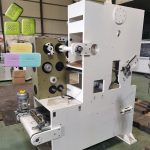
Converting the continuous soap log into individual bars demands high accuracy. This is the domain of the cutting machine. A universal popular bar soap cutting cutter is indispensable. Options range from manual cutting machine for lower volumes or prototyping to automatic block cutter machine solutions for high-speed automatic soap production line setups. Electric washing soap cutter, pneumatic cutting machine, and electronic cutting machine variants offer different levels of automation, speed control, and precision to suit specific production needs, whether for bath soap making machine lines or laundry soap making line requirements. The goal is clean, consistent cuts with minimal waste.
Refinement and Finishing: Quality and Appeal
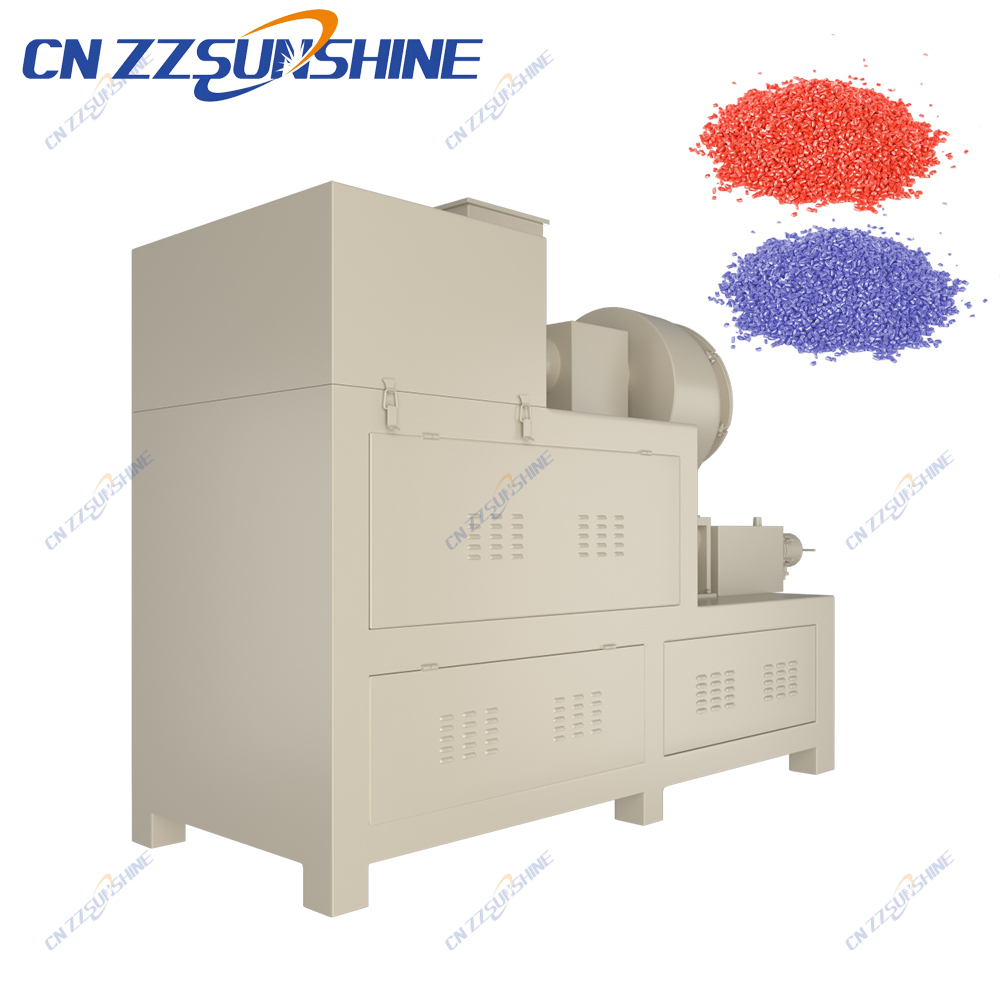
For many soap types, especially higher-grade toilet and beauty soaps, further refinement occurs before or after extrusion. A three roller grinding mill, particularly an OEM three roller grinding mill, is essential for milling the soap base. This three roller mill hot sale equipment repeatedly passes the soap through tightly spaced rollers, refining its texture, ensuring smoothness, and improving its overall quality and lathering properties. Post-cutting, bars move to finishing stages involving drying, potential stamping with a soap stamping machine, and packaging. Film packaging machine units efficiently wrap bars for retail, completing the beauty soap making line or toilet soap finishing line.
Choosing the Right Equipment Partner
Selecting machinery is critical. Factors include desired output (considering mini soap production line vs. large-scale automatic soap production line), level of automation (from semi-automatic printer to automatic printer), and specific soap properties. Custom soap cutting machine designs might be needed for unique bar shapes. Partnering with an experienced China supplier offers distinct advantages: cost-effectiveness without sacrificing quality, access to a wide range of equipment like soap plodder, cutter, and mixing machine options, and the flexibility for OEM solutions to meet specific soap making machine configurations, including washing liquid production equipment if diversifying.
Conclusion: Integrating Expertise for Optimal Production
A successful soap making production line hinges on understanding each process stage and selecting the optimal machinery. From the foundational mixing and refining via three roller mill technology to the precision of a universal popular bar soap cutting cutter and the efficiency of modern plodders and packaging systems, each component plays a vital role. By leveraging reliable equipment, potentially from innovative China supplier manufacturers, producers can ensure efficient, high-quality manufacturing of everything from robust laundry bars to luxurious beauty soaps, meeting global market demands effectively.