

The Engine Room of Soap Manufacturing: Essential Machinery for Bar Soap Production
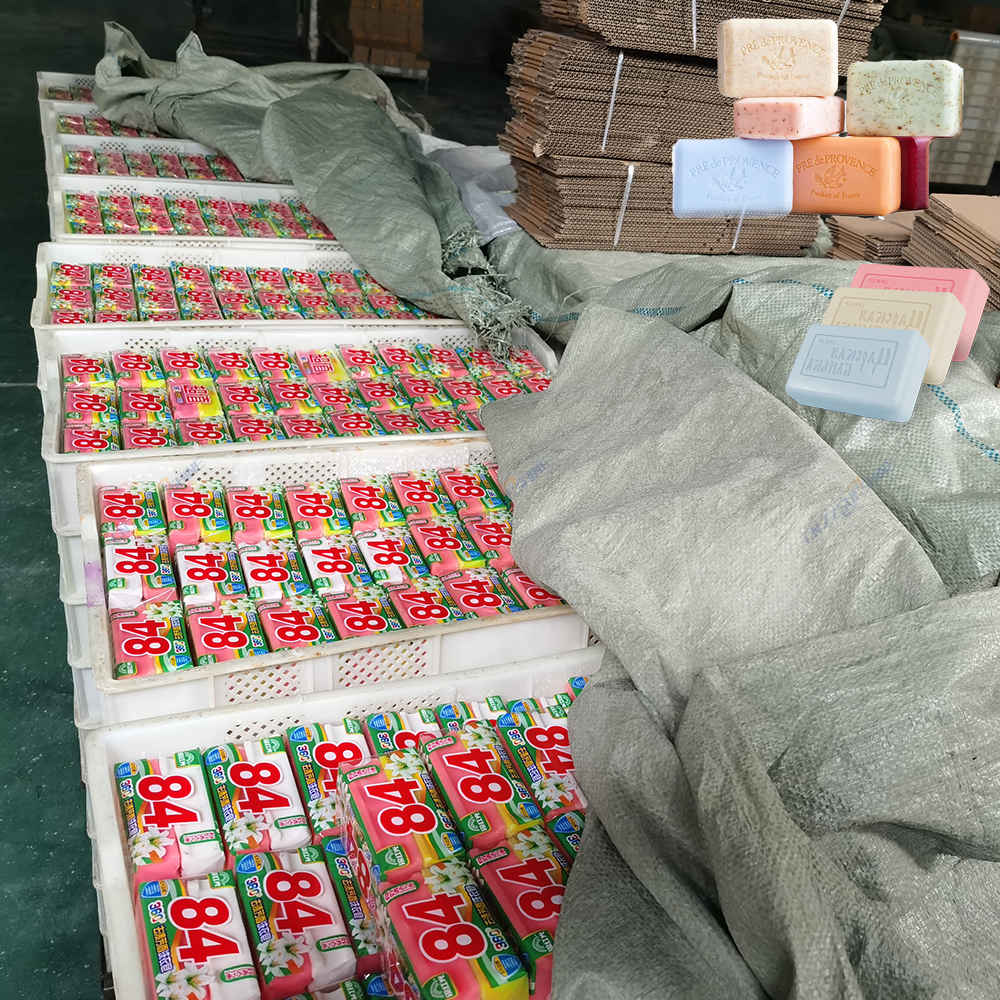
The global demand for bar soap, encompassing laundry bars, toilet soaps, and beauty bars, remains robust. For manufacturers aiming to compete effectively, investing in the right soap making machinery is not just an option—it’s a necessity. Whether you’re establishing a new soap making production line or upgrading an existing laundry bar soap production line or toilet soap finishing line, understanding the core equipment is paramount. This article delves into the essential machinery that forms the backbone of efficient bar soap manufacturing.
At the heart of any operation lies the soap mixer or mixing machine. This crucial piece of equipment ensures the saponified soap base is thoroughly blended with fragrances, colors, moisturizers, and other additives. A high-quality mixer guarantees homogeneity, directly impacting the final product’s quality and consistency. Options range from robust machines suitable for large-scale laundry soap making lines to more refined mixers designed for delicate ingredients in beauty soap making lines.
Following mixing, the soap mass needs refining and forming. This is where the soap plodder machine for bar soap comes into play, particularly the vacuum plodder. This machine works the soap under vacuum conditions, removing air pockets and excess moisture. It compresses and extrudes the soap through a die, forming a continuous, dense log ready for cutting. The vacuum plodder is indispensable for producing high-quality, smooth-textured bars, whether for laundry or premium toilet soaps.
The next critical stage is cutting the extruded soap log into individual bars. Precision here is key for both aesthetics and functionality. Manufacturers can choose from various cutter options based on their scale and automation needs. Manual cutting machines offer a cost-effective entry point for smaller operations or specialized batches. For higher throughput, automatic block cutter machines provide speed and consistency. More advanced options include electronic cutting machine or pneumatic cutting machine systems, often integrated with electric washing soap cutter features for cleaning blades automatically, minimizing downtime. Custom soap cutting machine designs are also available to accommodate unique bar shapes or sizes not covered by standard equipment.
Beyond these core components—mixer, plodder, cutter—a complete automatic soap production line integrates several other vital machines. OEM three roller grinding mills might be used upstream for refining raw materials before saponification. Downstream, soap stamping machines imprint logos and details onto the cut bars. Finally, film packaging machines efficiently wrap the finished bars for protection and presentation. For smaller ventures or pilot lines, mini soap production lines offer a compact solution, while semi-automatic printers and fully automatic printers handle the branding and labeling process with varying levels of human intervention.
Choosing the right combination of machinery—from the essential soap plodder, soap mixer, and cutter to auxiliary equipment like stampers and packagers—depends heavily on production volume, target market (laundry vs. toilet vs. beauty soap), desired automation level, and budget. Whether seeking robust soap factory machinery for large-scale washing liquid production equipment integration or specialized bath soap making machines, understanding each component’s role is vital for building an efficient, high-quality, and profitable soap making production line.