


Unlock Scalable Laundry Soap Production: Your Guide to the 150 Kg/h Plant
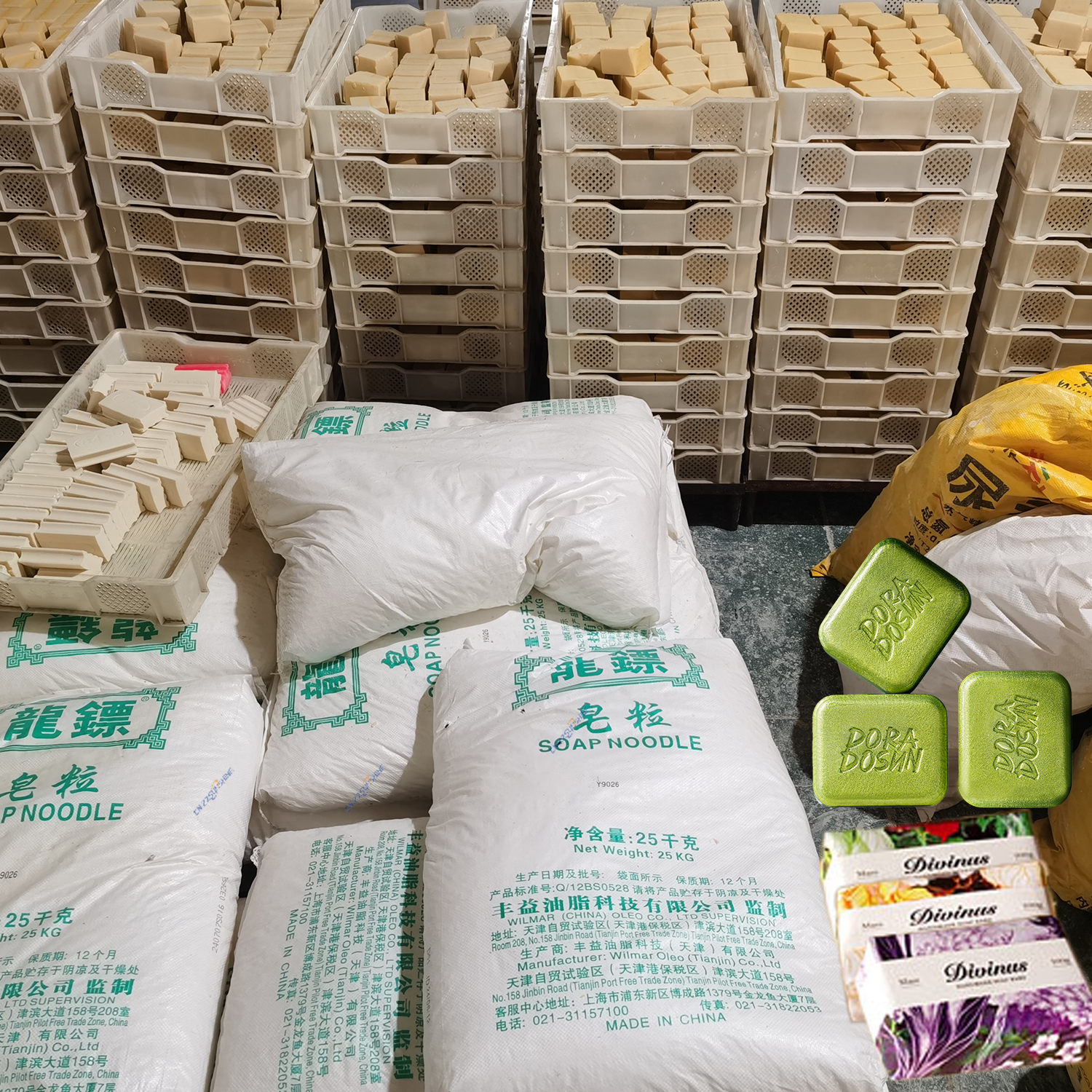
The demand for high-quality laundry bar soap remains strong worldwide. For small to medium-sized manufacturers or entrepreneurs looking to enter this market, investing in efficient, reliable production machinery is crucial. A 150 Kg/h Laundry Soap Plant represents the perfect entry point – offering significant output capacity without the overwhelming scale or investment of massive industrial lines. This complete solid bar soap making machine small line is designed for practicality, efficiency, and consistent results.
This integrated laundry soap making line is engineered to handle the entire process from base mixing to finished, stamped bars ready for packaging. It typically incorporates several key machines working in harmony:
1. Mixing & Refining: The process begins with blending raw materials. A robust soap mixer ensures thorough and homogeneous mixing of fats, oils, alkalis, and additives. Following mixing, a three roller grinding mill (often available for OEM configurations) refines the soap mixture, ensuring a smooth texture and uniform consistency crucial for the final bar quality.
2. Plodding & Vacuum: The mixed soap mass is then fed into a soap plodder machine for bar soap. This machine compresses and kneads the soap, removing air pockets and densifying the material. A Vacuum plodder is essential in this stage, as it extracts air under vacuum conditions, resulting in a harder, longer-lasting, and more consistent bar soap with a fine grain structure. This is vital for both laundry and bath soap quality.
3. Extrusion & Cutting: The compacted soap exits the plodder as a continuous, solid log. An automatic block cutter machine or a pneumatic cutting machine precisely slices this log into individual soap blocks of predetermined length and weight. Options like an electric washing soap cutter or electronic cutting machine provide precise control for consistent sizing. For smaller setups or specific needs, a manual cutting machine might be incorporated, but automation significantly boosts throughput.
4. Stamping & Finishing: The cut blocks are then conveyed to a Soap Stamping Machine. This unit presses the soap into its final bar shape and imprints the desired logo or design onto the surface. This step defines the product’s appearance and branding. For toilet soap finishing lines or higher-end beauty soap making lines, additional polishing or milling steps might be included, though a dedicated laundry bar soap production line often focuses on core stamping.
The efficiency of this automatic soap production line lies in its integrated design. Machines like the soap plodder, cutter, and stamping machine are synchronized, minimizing manual handling and maximizing output. Supporting equipment, such as a Film Packaging Machine for wrapping the finished bars, can often be integrated or added later.
Why choose a 150 Kg/h line? It strikes an ideal balance. It offers substantial production capacity (approximately 150 kilograms per hour) suitable for growing businesses or regional supply, while remaining manageable in terms of footprint, investment, and operational complexity compared to larger Automatic Soap Production Lines. It’s essentially an automatic soap production line scaled for accessibility. This makes it an excellent choice for those seeking a Mini Soap Production Line with serious capabilities or a stepping stone to larger operations.
In conclusion, a well-designed 150 Kg/h Laundry Soap Plant provides a complete, efficient, and scalable solution for producing high-quality laundry bars. By incorporating essential machinery like a vacuum plodder, automatic cutter, and stamping unit, this complete solid bar soap making machine small line empowers manufacturers to meet market demands reliably and cost-effectively, laying a solid foundation for business growth in the competitive soap industry.